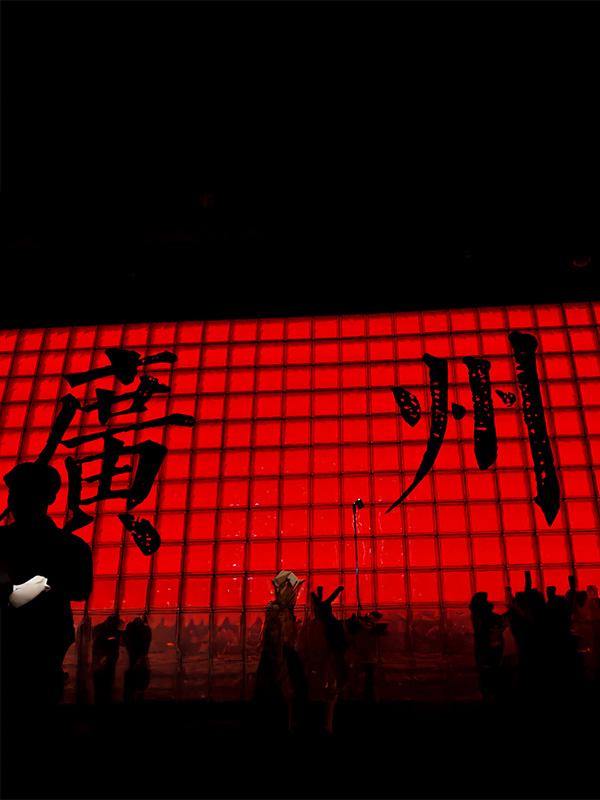
Guangzhou pulses with the energy of a modern metropolis. Yet the charm of this destination lies not in a fleeting glance, but in savouring it slowly. Text and photos by CK
In the narrow alleys of the Liwan neighbourhood, time-honoured eateries hum with life. And among the colonial villas of Dongshankou, creativity thrive quietly. We explore some of the Guangzhou’s hidden gems.
Liwan District: The Soul of Old Guangzhou
Liwan is the city’s cultural root. Here, history isn’t confined to textbooks but lives in the everyday. The steam rising from a bowl of wonton noodles, the melodic strains of Cantonese opera drifting from tea houses, the neighbours lounging under arcades with palm-leaf fans. On Enning Road, the mottled stained-glass windows of Qing-era shophouses reflect neon signs of modern cafés.
The most distinctive feature of Lingnan architecture is the ‘qilou’ arcaded streets. Inspired by Southeast Asia’s five-foot ways, these covered walkways were designed to shield pedestrians from sun and rain, while doubling as commercial space. Their presence reflects Guangzhou’s trading history.
As a key port on the Maritime Silk Road since the Tang Dynasty — and China’s sole legal trading hub from 1757 — Guangzhou drew merchants to the “Thirteen Hongs of Canton”. The resulting prosperity gave rise to the Xiguan mansions, featuring sliding lattice doors, blue-brick foundations and stained-glass windows. Many are still standing today.
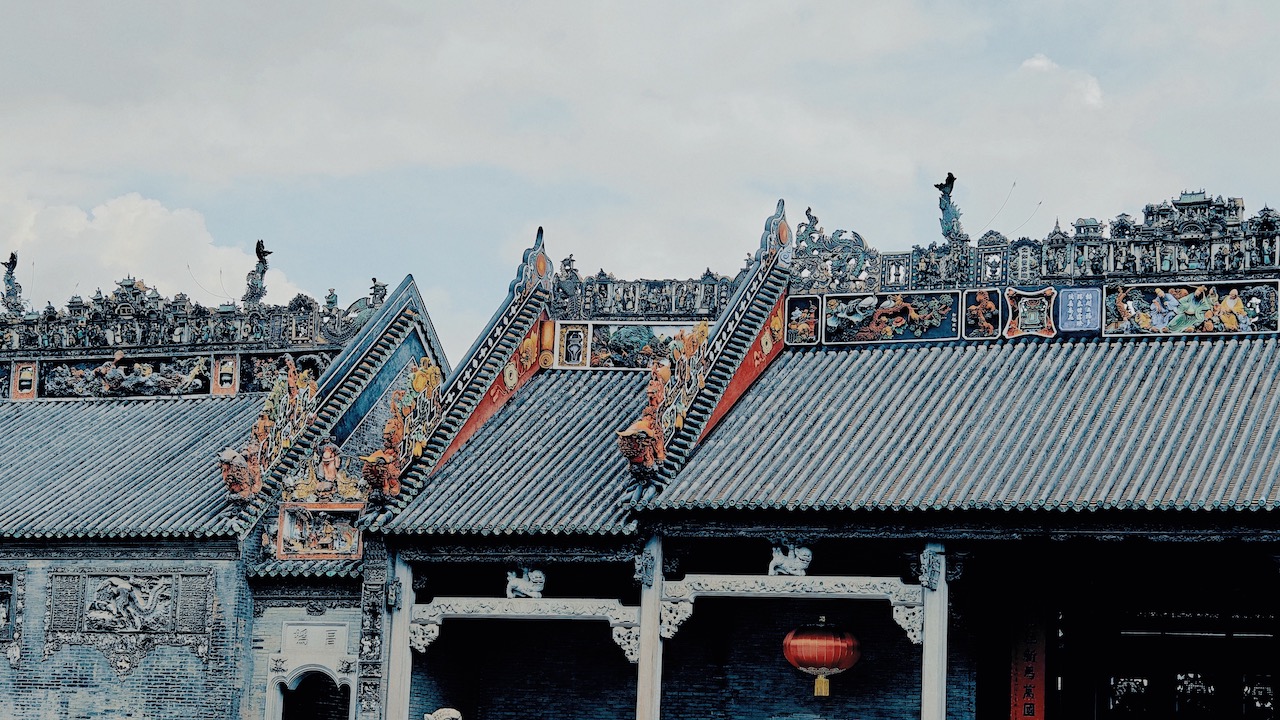
Begin your Liwan exploration at the Chen Clan Ancestral Hall. Built in 1888, this clan temple showcases seven traditional arts including wood, stone and brick carvings, pottery, metalwork and murals. Sunlight filtering through coloured glass highlights the precision of its artisans.
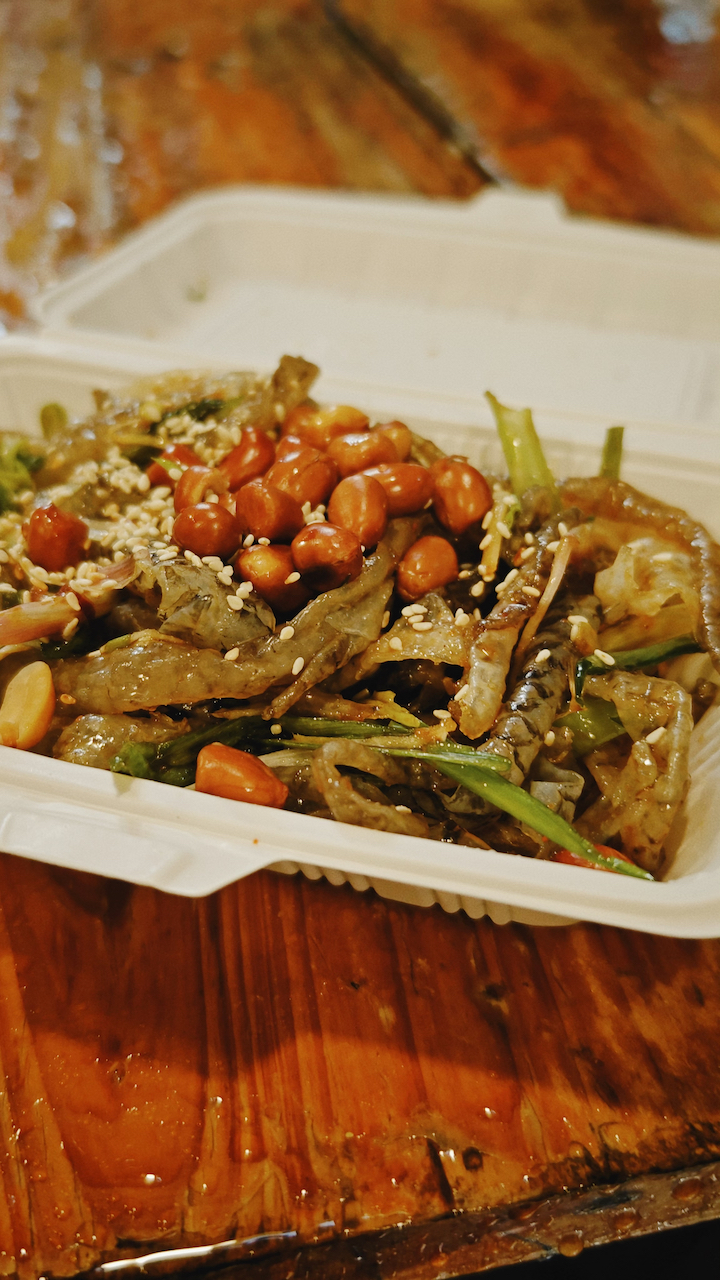
From there, a short stroll leads to Longjin Road, one of Guangzhou’s most vibrant thoroughfares. At dawn, the street hums to life with the cadence of daily trade. Vendors call out their prices, carts rattle over stone pavements, and the scent of just-picked herbs mingles with the briny tang of fresh seafood. This is where restaurant chefs and home cooks come to purchase fresh local ingredients.


Continue toward Huagui Road, Baohua Road, and Liwan Lake Park, and you’ll find yourself in one of Guangzhou’s most flavourful corridors. Think Cantonese herbal tea shops with dark wooden façades, family-run cheung fun stalls billowing steam, and storied eateries whose recipes have been passed down for generations.
Find a seat beneath a tree, and order freshly steamed rice rolls dressed in sweet light soy sauce. Observe the routine of local life – elderly residents ambling through side lanes, stopping to chat with familiar faces; laundry fluttering from wrought iron balconies; and the scent of herbal tea hanging in the air.
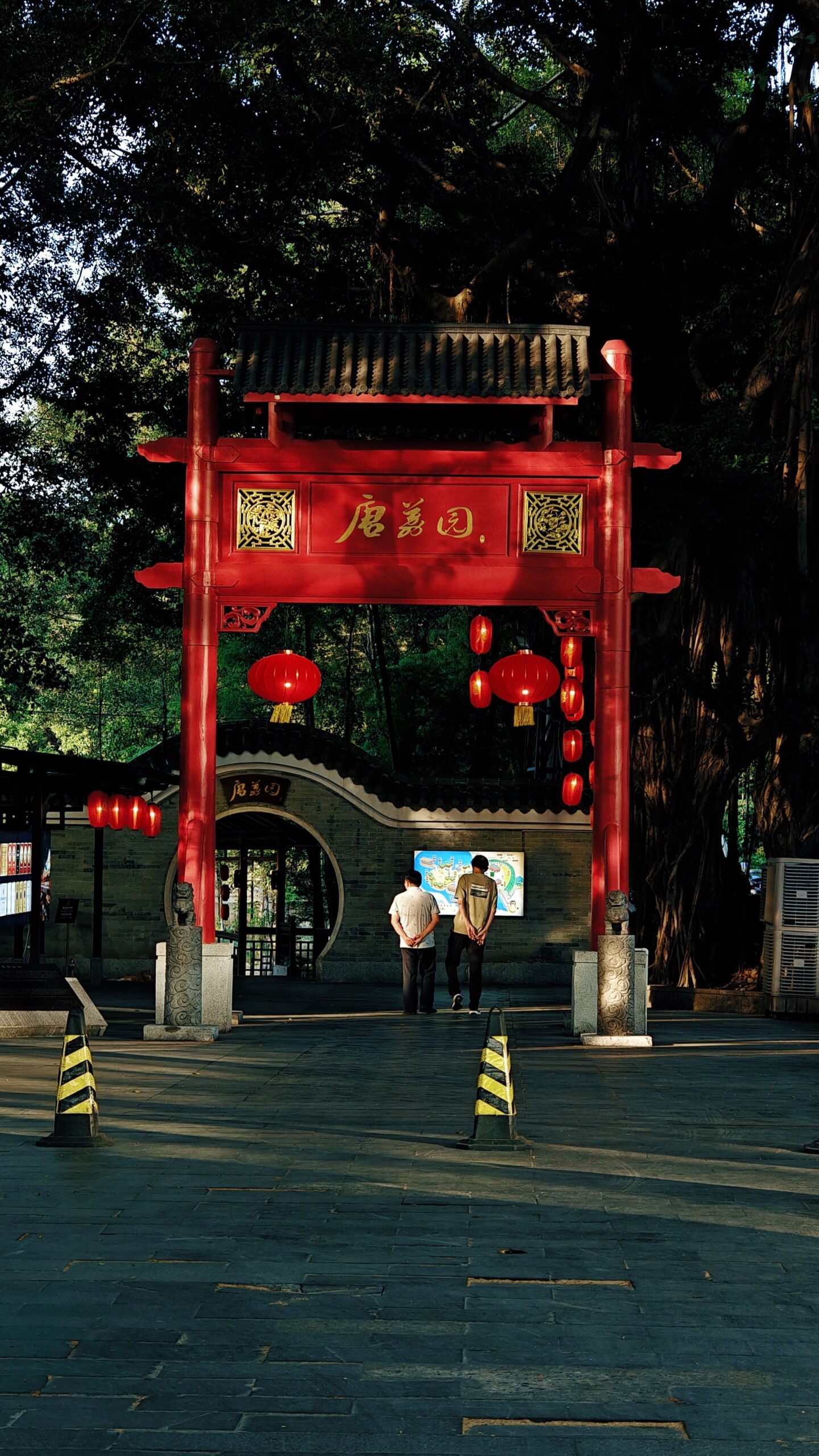
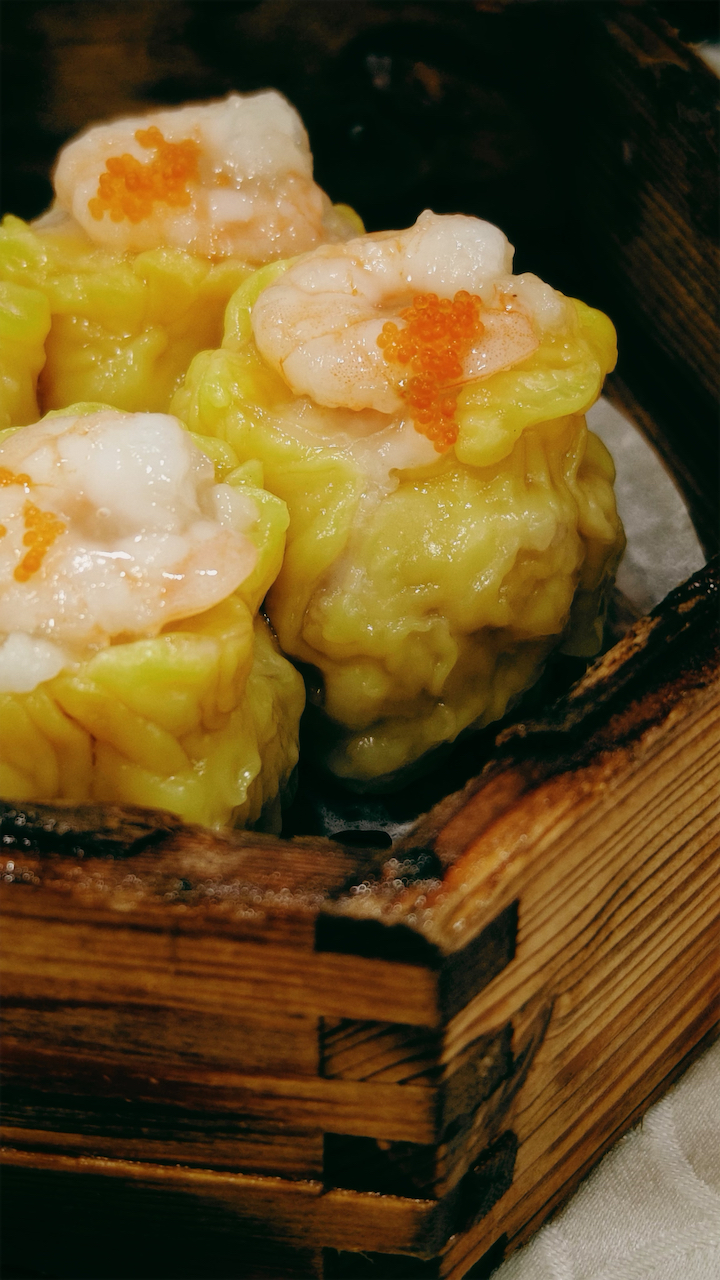
West of the market lies a jade green retreat. At its entrance, the 80-year old Panxi Restaurant blends elegance with tradition. Its upturned eaves and whitewashed walls framing dim sum feasts.
The real treasures lie in Pantang Wuyue, a preserved Qing Dynasty enclave where narrow alleys reveal blue-brick homes with ornate wooden shutters. Peer through open doorways to spot elderly residents playing mahjong on antique rosewood tables.
Architecture buffs should stop at the Liwan Museum, where four meticulously restored Xiguan mansions showcase 19th-century merchant life. Marvel at stained-glass windows imported from Britain, then descend into the cool basement to see recreated opium dens, a sobering reminder of the city’s complex trading past.
Meanwhile, a rejuvenation initiative has also transformed the area’s historic landmarks into vibrant creative hubs where history, culture, contemporary trends and gastronomy converge.
While Liwan conserves tradition, Yongqingfang represents Guangzhou’s revitalisation strategy. The neighbourhood features the city’s most intact stretch of qilou arcade buildings, including portions of Enning Road dating back to 1931. It’s flanked by two notable landmarks — Bruce Lee’s ancestral home and Bahe Guild Hall, historically tied to Cantonese opera associations.
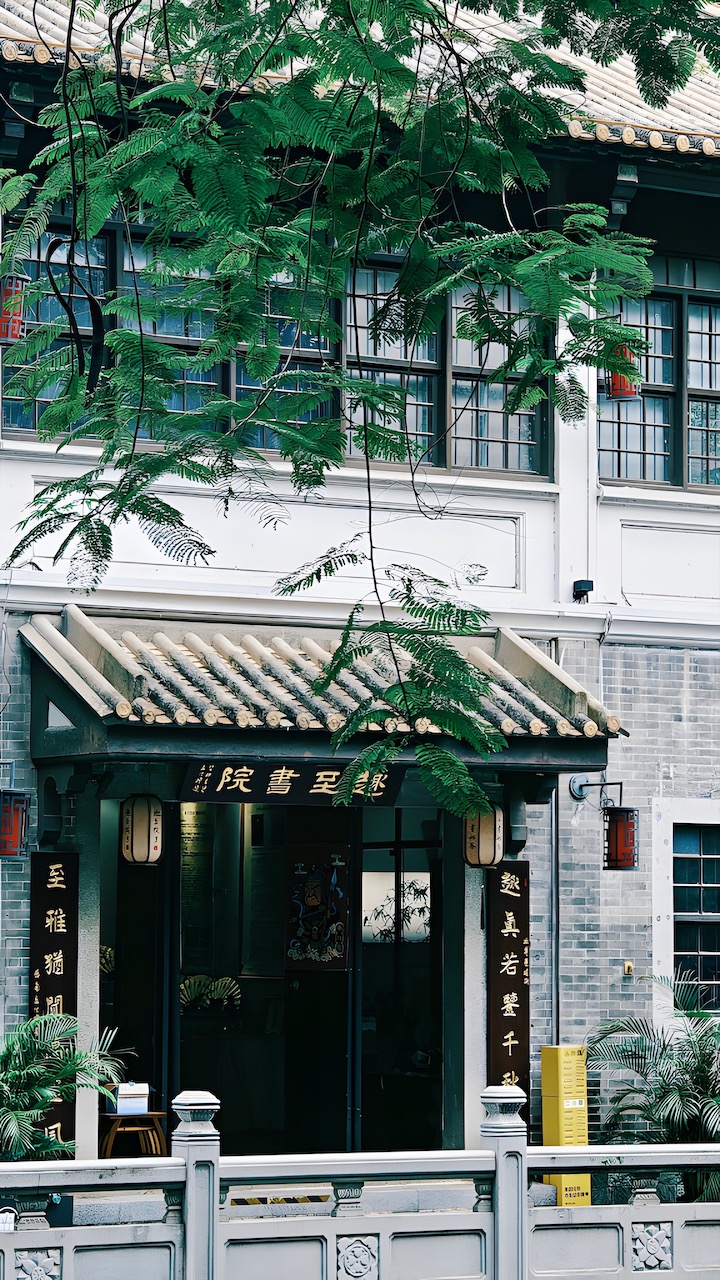
But what truly sets this neighbourhood apart is its living tapestry of intangible cultural heritage: Cantonese opera performances echo through courtyards while master artisans practise their crafts. From hand-carved seals and intricate paper-cutting to the hammered-copperware of Xiguan tradition, not to mention the exquisite brushwork of Guangcai porcelain and delicate threads of Cantonese embroidery.
Just steps away, the bustling Shangxiajiu Pedestrian Street anchors the city’s culinary legacy with two legendary teahouses – the century-old Tao Tao Ju and Lin Heung Lau. Here you can tuck into bamboo steamers filled with har gow, char siu bao or egg tarts, while sipping pu’er tea.
Guangzhou at The Edge of Change
Across the Pearl River, Guangzhou presents a different face — one defined by infrastructure, contemporary design and large-scale redevelopment. The river that once carried silk and ceramics now reflects the 600-metre-high Canton Tower, one of the tallest structures in the world and a recognisable marker of the city’s modern identity.
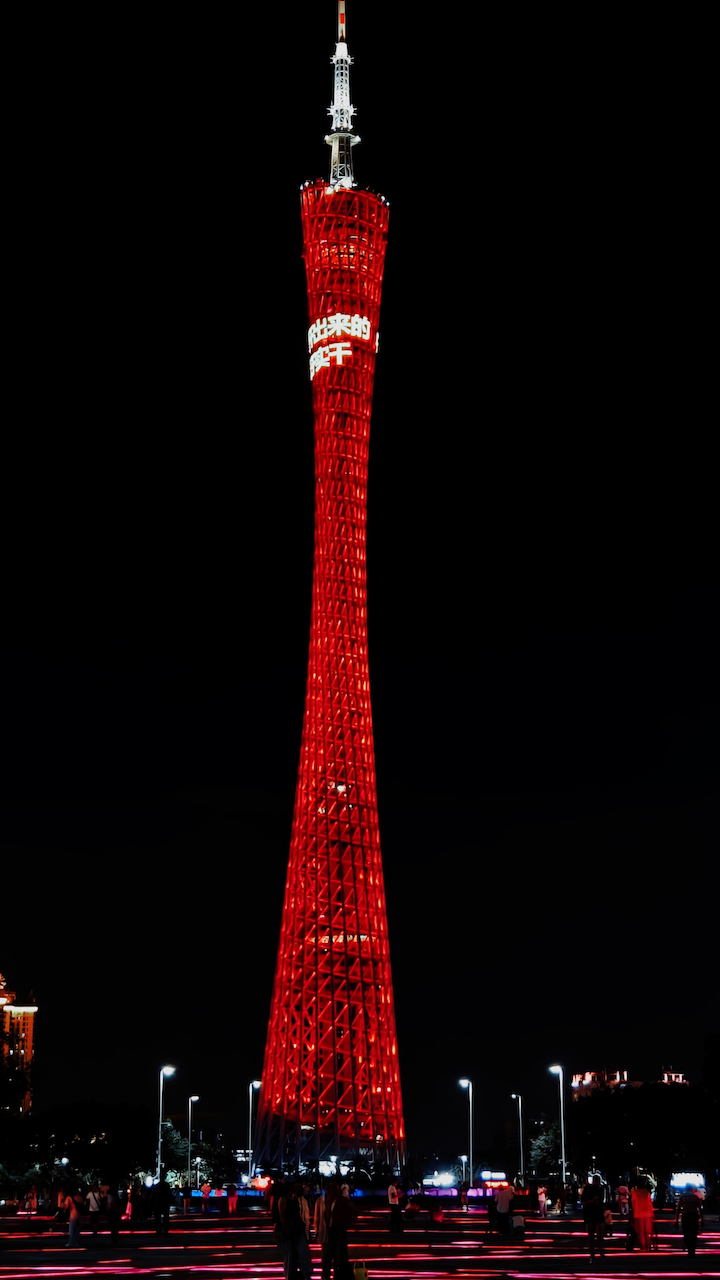
The surrounding Zhujiang New Town district functions as Guangzhou’s financial and diplomatic hub. Steel and glass towers define the skyline, while Huacheng Square serves as a central pedestrian axis lined with public art and floral landscaping. Despite its corporate profile, the district contains quieter moments of contrast.
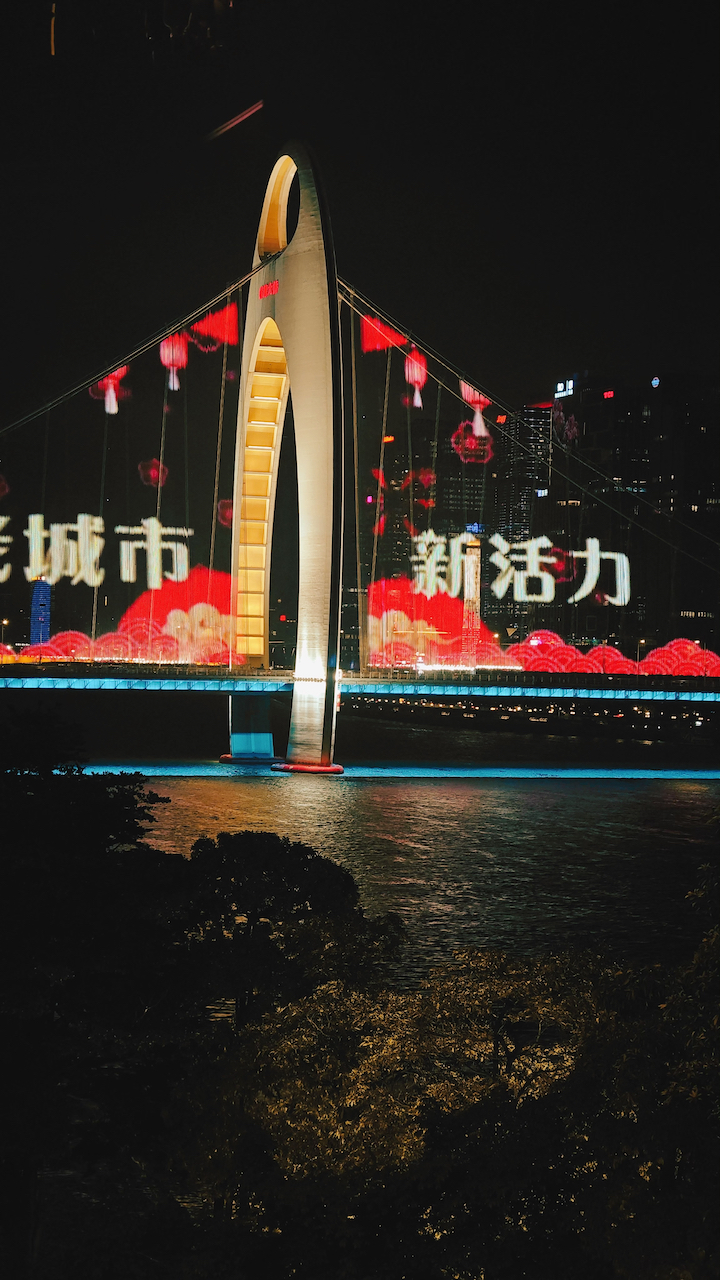
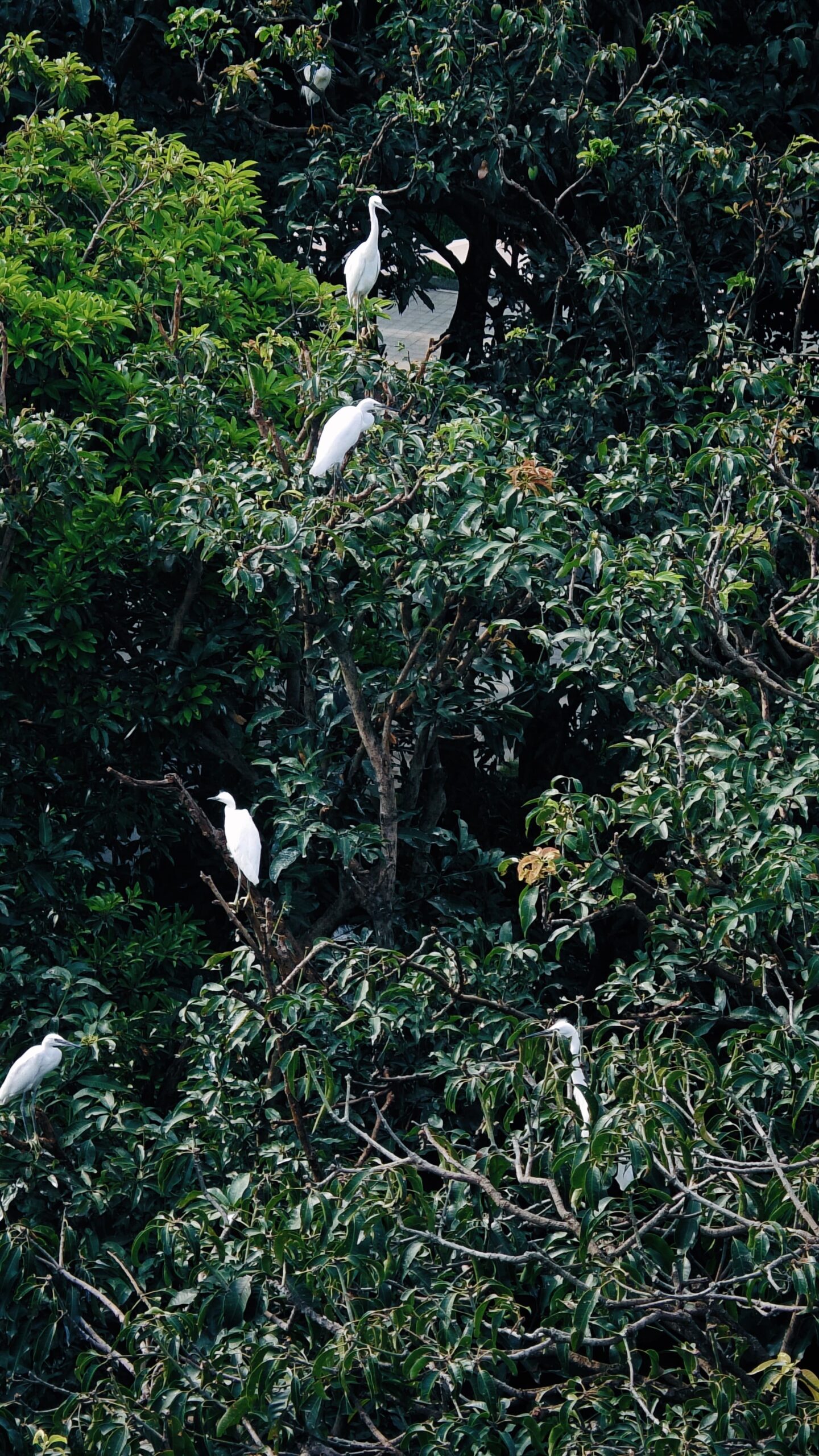
Haixinsha Island, once a military textile warehouse zone, has been reimagined into a recreational enclave. The Indigo Hotel, converted from one of the original warehouses, sits beneath ancient mango trees.
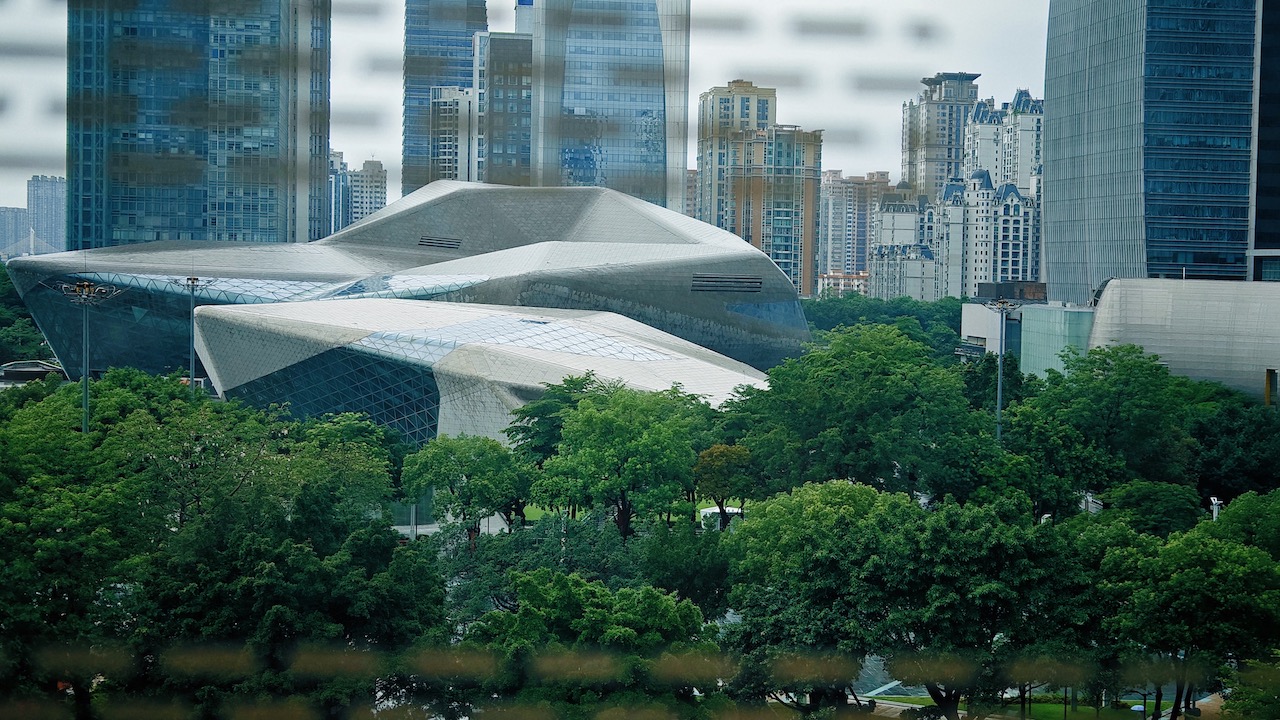
A single footbridge delivers you to Zaha Hadid’s Guangzhou Opera House. The structure is notable for its absence of vertical columns and flat facades, resembling two fluid stone forms beside the riverbank. It maintains visual dialogue with the Guangdong Museum, whose outward lattice references traditional Chinese puzzle boxes. Inside, exhibits range from Teochew woodcarving to Lingnan folk art, displayed within galleries resembling nested containers.
If Liwan represents Guangzhou’s historical foundation, Dongshankou reflects its evolving cultural identity. This once-elite enclave of Western-educated overseas Chinese is now a magnet for the city’s creative set. Its leafy streets are lined with villas, affectionately dubbed “Little Western Houses” for their fusion of European and Cantonese styles. Brick mansions framed by banyan trees whisper stories of a cosmopolitan past.
Among them, is the understated Bai Garden at No.12 Xuguyuan Road which once housed the Institute of History and Philology. Today, it’s home to Yue Book Bar, a literary café curated by the Sun Yat-sen Library, quietly celebrating Guangzhou’s intellectual lineage.
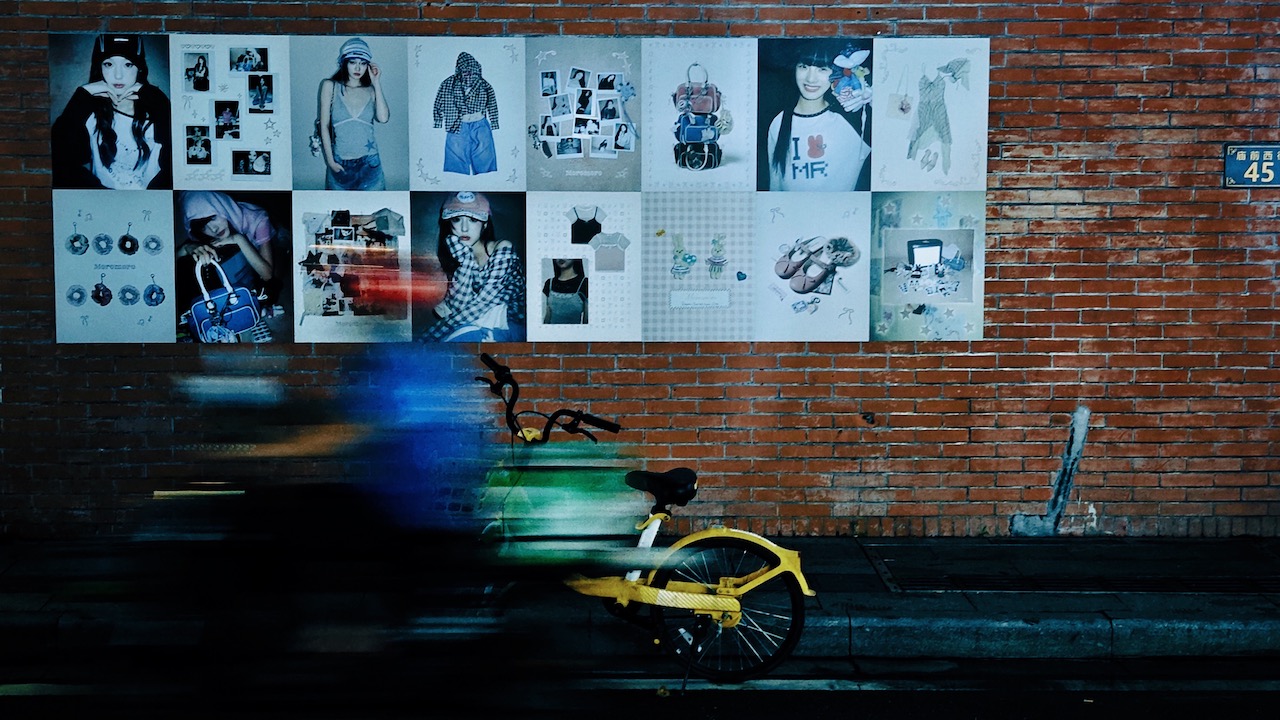
But Dongshankou isn’t just a relic of old-world charm. It’s also Guangzhou’s creative engine, where repurposed villas house indie galleries, concept stores, and third-wave coffee shops.
To Summer (Guan Xia), a cult fragrance brand, occupies a restored garden residence, merging heritage architecture with minimalist interiors. The area’s appeal lies less in major landmarks than in its adaptive reuse approach; preservation is coupled with active occupation rather than passive display.
And that’s Guangzhou in essence: a city that never rushes, even as it reinvents. Its rhythms are best felt in the slow rituals.
Where to stay: Hotel Indigo Guangzhou Haixinsha, by IHG.
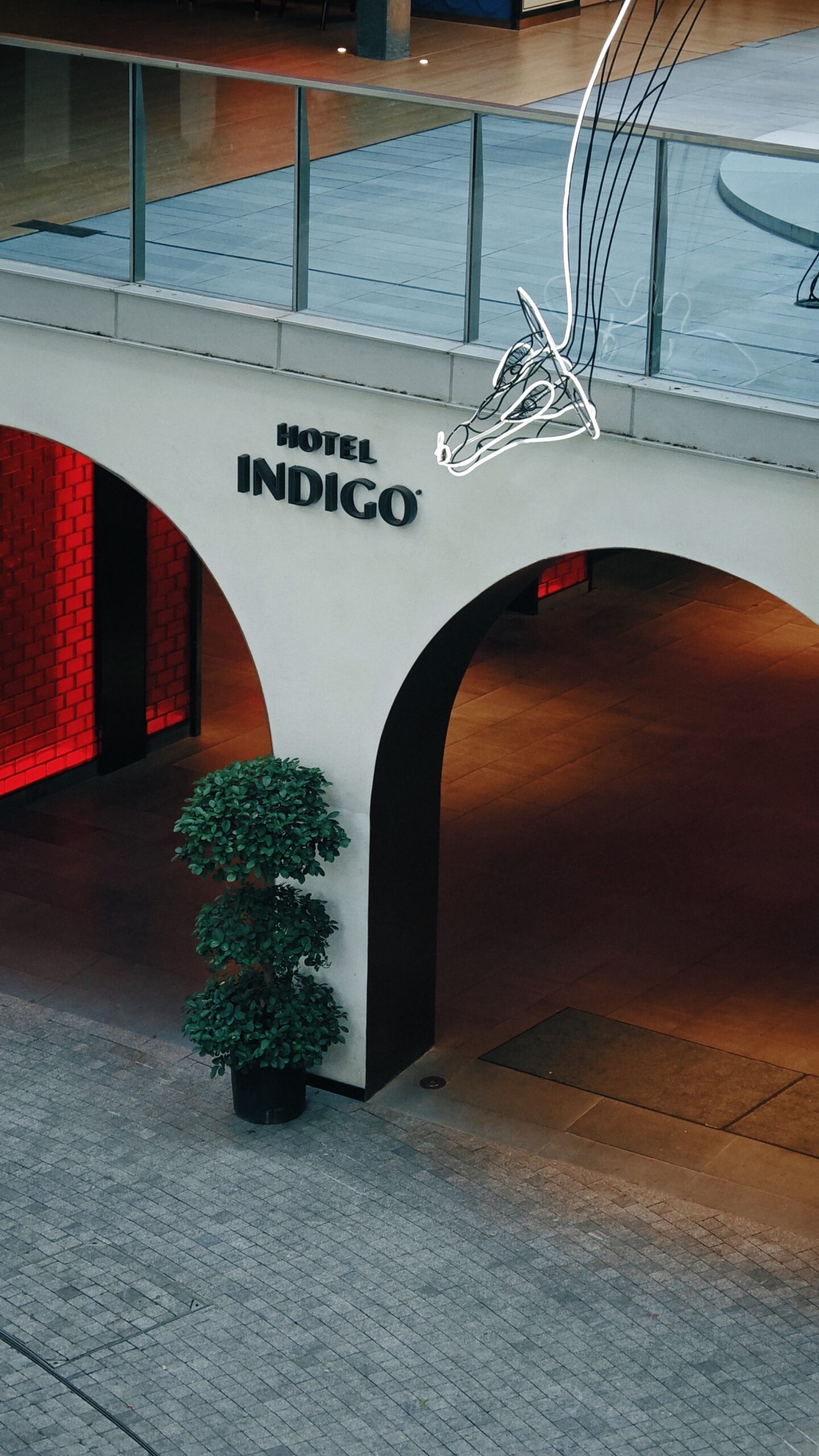
Tucked within the Haixinsha Asian Games Park, Hotel Indigo Guangzhou Haixinsha is a welcome addition to the city’s hotel landscape.
Legacy and modernity co-exist throughout Haixinsha Island’s only riverside hotel. Ancient banyan trees frame the courtyard, while original arch windows, balconies, and structural elements are updated with refined, functional textures. Echoes of Lingnan culture emerge in the arcade corridors, weather-shielded walkways, and layered gardens that link hotel and retail spaces.
Cantonese motifs, Manchu latticework, floral tiles, opera-inspired details, and Western-style villas from Dongshan appear in thoughtful vignettes, connecting past and present along the Pearl River’s edge. The result is a space that feels both rooted and refreshingly new.
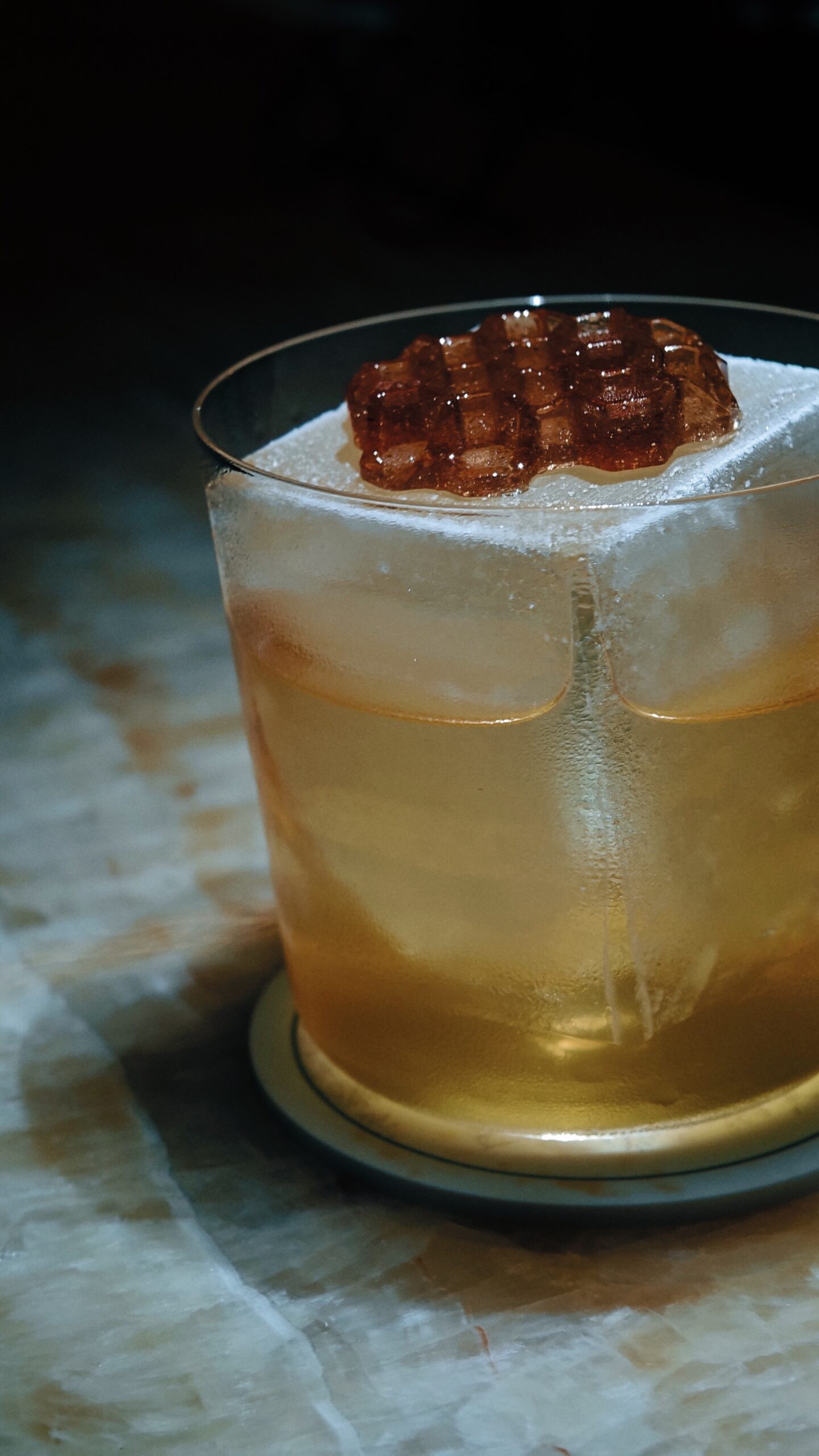
At the rooftop, the Light bar offers views of the water and an unfussy drinks menu. It’s one of the city’s better spots for a sundowner, especially when the Canton Tower sparkles across the river. Downstairs, the all-day dining venue Sail showcases the rich and vibrant artistry of Cantonese cuisine. The signature Tea-Smoked “Tai Ye” Chicken is a Guangzhou classic. It’s first braised in a master stock, then smoked with tea leaves, resulting in a deep, savoury flavour with a subtle, aromatic complexity. It’s delicious hot or cold, with crisp skin, tender meat, and a delicate tea fragrance.
Another standout is the Longan Honey-Glazed Eel, served with steamed buns. Eel, a beloved ingredient in Guangzhou cooking, is prized for its rich yet tender texture and natural sweetness. Here, it is marinated, fried until crisp, and glazed with longan honey. The result is a perfect combination of sweet, savoury, and crunchy in every bite.
The hotel’s service is relaxed but attentive, and the overall pace here is a shift from the typical business-first offerings in this part of town.
More than just another new opening, Hotel Indigo Guangzhou Haixinsha serves as a thoughtful marker of where the city is headed: outward-looking, design-driven and increasingly sure of its own voice.